Tiananmen Square protests and massacre
Status&Period
Highly Restricted 2003- ongoing
Summary
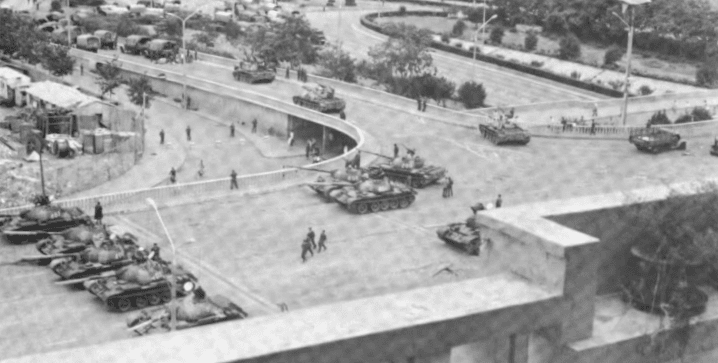
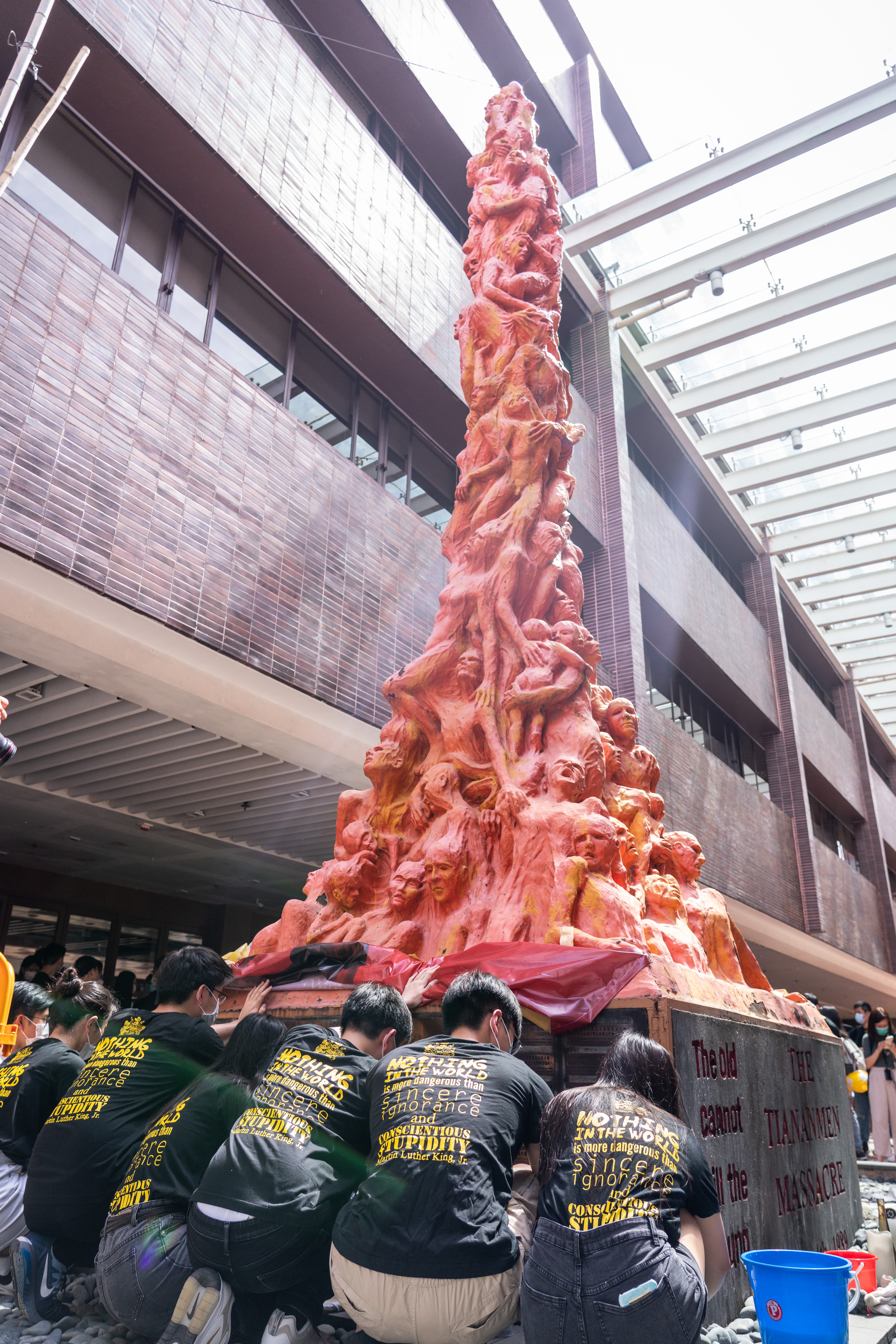
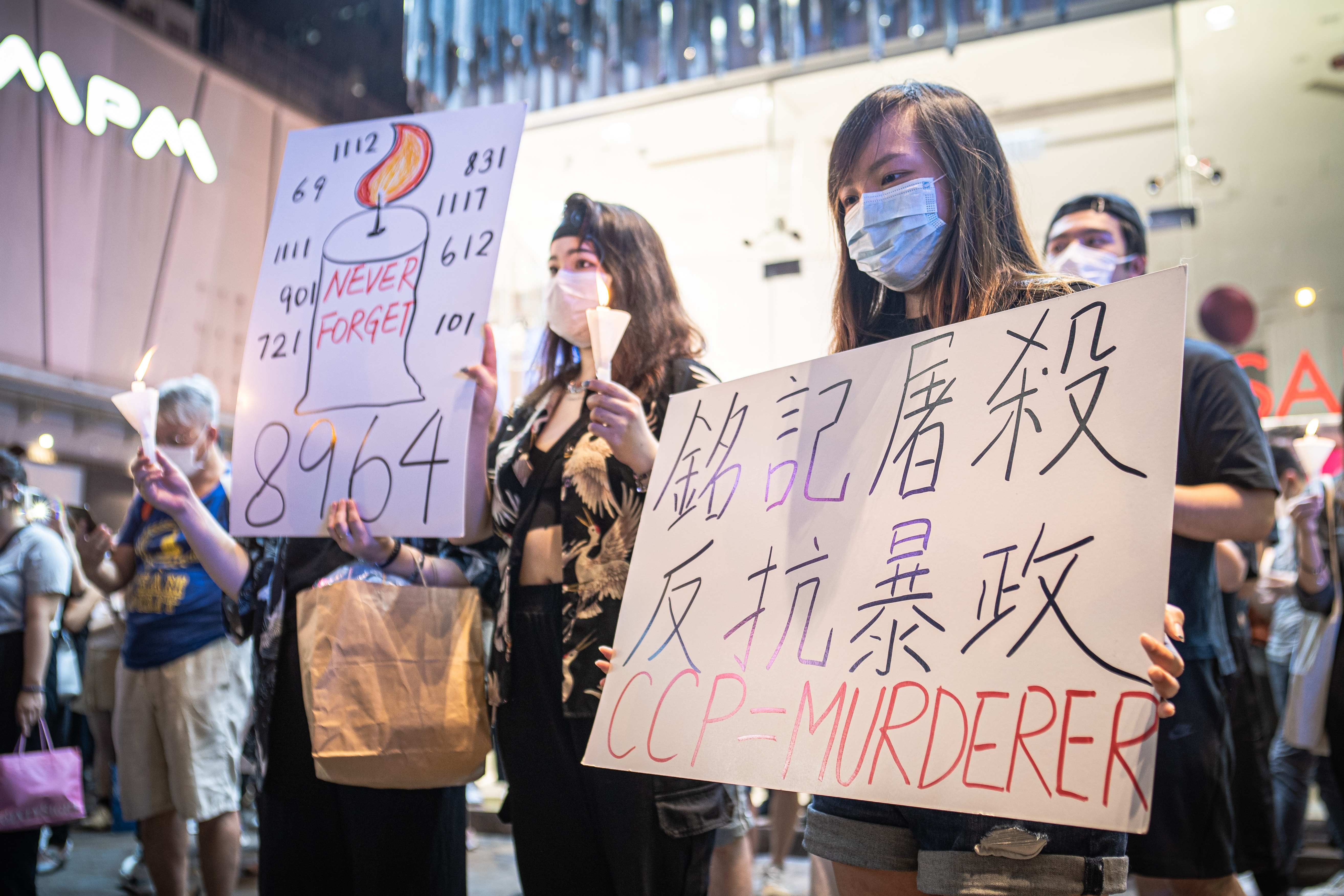
The "edit war" regarding the Tiananmen Square protests and massacre centers on the Wikipedia article about the event, which has been a persistent battleground for competing narratives between pro-Beijing editors and pro-democracy editors. This conflict stems from the Chinese government's strict censorship of the topic, known as one of the "Three Ts" of sensitive subjects in China.
Result
The article was placed under repeated periods of heightened protection following disputes over nomenclature and content framing. Administrative interventions including extended confirmed protection and occasional full protection were used to uphold the term “massacre” in the title and to mitigate recurrent reversion cycles. The article remains accessible but editing is restricted to experienced users under ongoing moderation.
1. Information Poster - Visual Cognition through Density
This poster translates Wikipedia’s revision history and protection system into a visual language based on density. Each edit is categorized by its protection level—restricted, partially protected, or open—and rendered through a corresponding color code. Rather than presenting information as linear text, the poster reorganizes revisions into structured blocks, allowing viewers to perceive how edits accumulate, conflict, and stabilize over time. Through consistent typography, spacing, and layout ratios, the poster makes visible how collective knowledge on Wikipedia is continuously rewritten and shaped by varying degrees of openness and control.
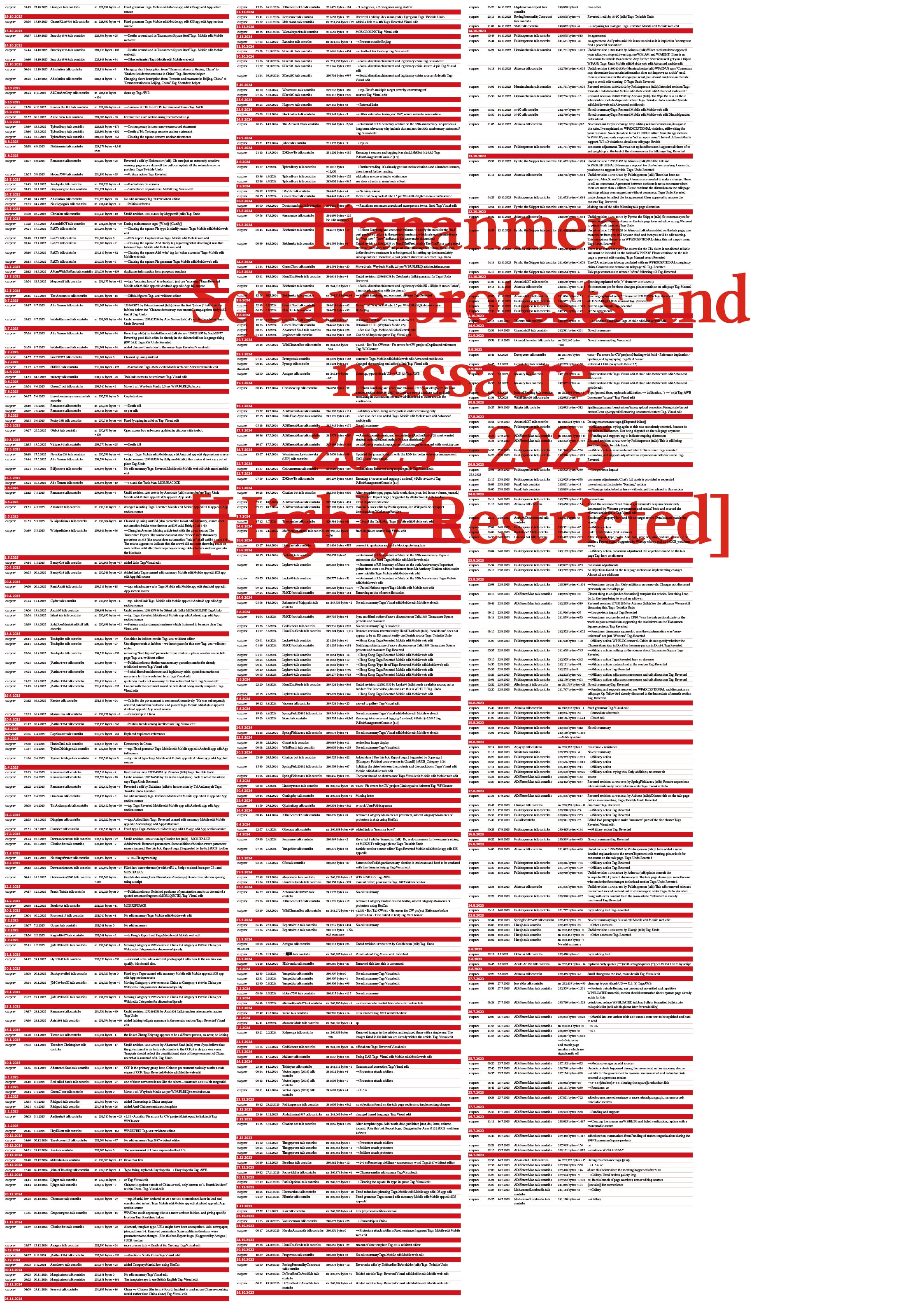
2025, Tiananmen Square protests and massacre info poster, A1(594*841)
2. Img generating Poster - Visual Cognition through Density
This poster explores how multiple images accumulate to form a single composition, mirroring the way countless edits build one Wikipedia article. Images are arranged in a repeated grid and layered at their original scales, allowing overlaps, alignments, and disappearances to occur naturally. As with RGB pixels combining into one image, fragments of visual information merge into a shared surface. Through an automated process that governs placement, overlap, and halftone conversion, the poster treats image editing as an act of accumulation, where information gradually transforms into a unified graphic form.
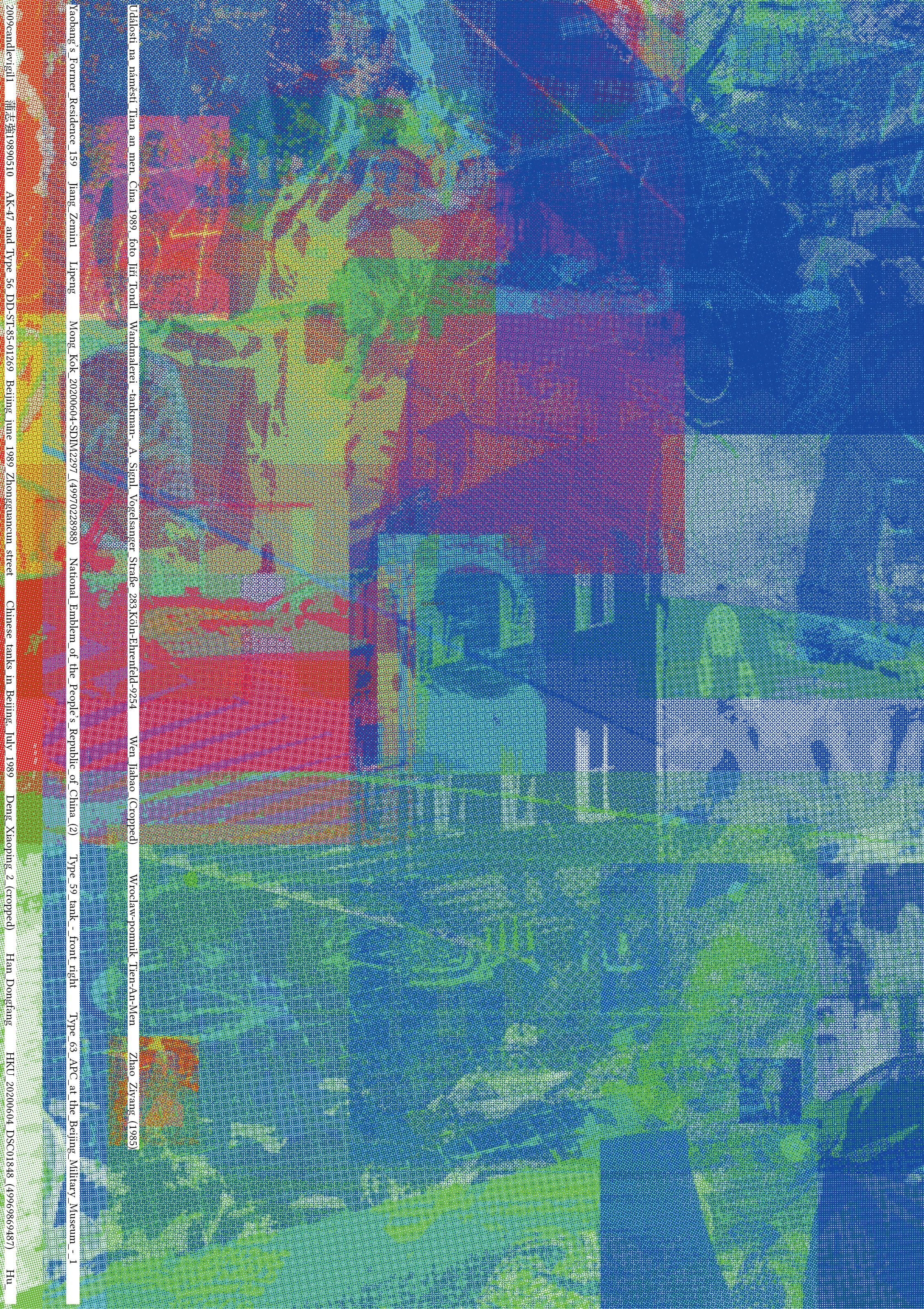
2025, Tiananmen Square protests and massacre img poster, A1(594*841)